Pre-Workout Ingredients That Actually Work (And Ones That Don't)
Proprietary blends hide fairy dust behind flashy labels — and the UAE market is full of them. Here are the evidence-backed ingredients worth paying for, and the critical halal and heat considerations every UAE athlete needs to know.

The pre-workout supplement category is among the most heavily marketed and most inconsistently formulated in sports nutrition. Walk into any supplement store in Dubai or Abu Dhabi and you will find rows of dramatically labelled tubs making bold performance claims. Some will deliver. Many will not. The difference between the two usually comes down to whether the formula contains effective ingredients at effective doses — or whether it hides underdosed "fairy dust" behind a proprietary blend.
This guide covers the ingredients with genuine research backing, the ones that are mostly marketing, what to look for on a UAE label, halal considerations, and why training in extreme heat warrants specific care with stimulant-heavy pre-workouts.
Ingredients Backed by Evidence
Caffeine (150–300mg)
Caffeine is the most researched ergogenic compound in sports nutrition. Mechanisms include adenosine receptor antagonism (reducing perceived fatigue and increasing alertness), increased adrenaline release, and enhanced fat oxidation during sub-maximal exercise. Research consistently shows improvements in strength, power output, muscular endurance, and reaction time at doses of 3–6mg per kilogram of bodyweight — translating to roughly 200–300mg for most adults.
Important note for UAE athletes: caffeine is a diuretic at doses above ~300mg and meaningfully increases core temperature during exercise. In extreme heat, high-dose caffeine pre-workouts amplify dehydration risk. If training outdoors in summer or in a particularly warm gym environment, consider reducing your caffeine dose or timing your pre-workout for a cooler part of the day.
L-Citrulline or Citrulline Malate (6–8g)
L-Citrulline is an amino acid that serves as a precursor to arginine and then to nitric oxide (NO) — the compound responsible for vasodilation and the "pump" sensation during training. Elevated NO production increases blood flow to working muscles, improving oxygen and nutrient delivery and reducing metabolic waste accumulation.
Research demonstrates that citrulline supplementation improves performance in high-rep training, increases muscle oxygen saturation during exercise, and reduces post-exercise muscle soreness. Citrulline malate (citrulline bound to malic acid) may offer additional benefits through malic acid's role in the Krebs cycle. Effective doses: 6g of L-Citrulline or 8g of Citrulline Malate — far more than most proprietary blends include.
Beta-Alanine (3.2g)
Beta-alanine is a non-essential amino acid that combines with histidine to form carnosine in muscle tissue. Carnosine acts as an intramuscular buffer, reducing the accumulation of hydrogen ions that contribute to the burn and fatigue felt during sets of 8–20 reps. Studies consistently show beta-alanine improves performance in the 60–240 second effort duration range — most relevant for moderate-to-high rep resistance training and high-intensity intervals.
The characteristic tingling or flushing sensation (paraesthesia) that beta-alanine causes in many users is harmless and typically diminishes with continued use. If the tingling is unpleasant, splitting doses or using a sustained-release form reduces the intensity of the effect.
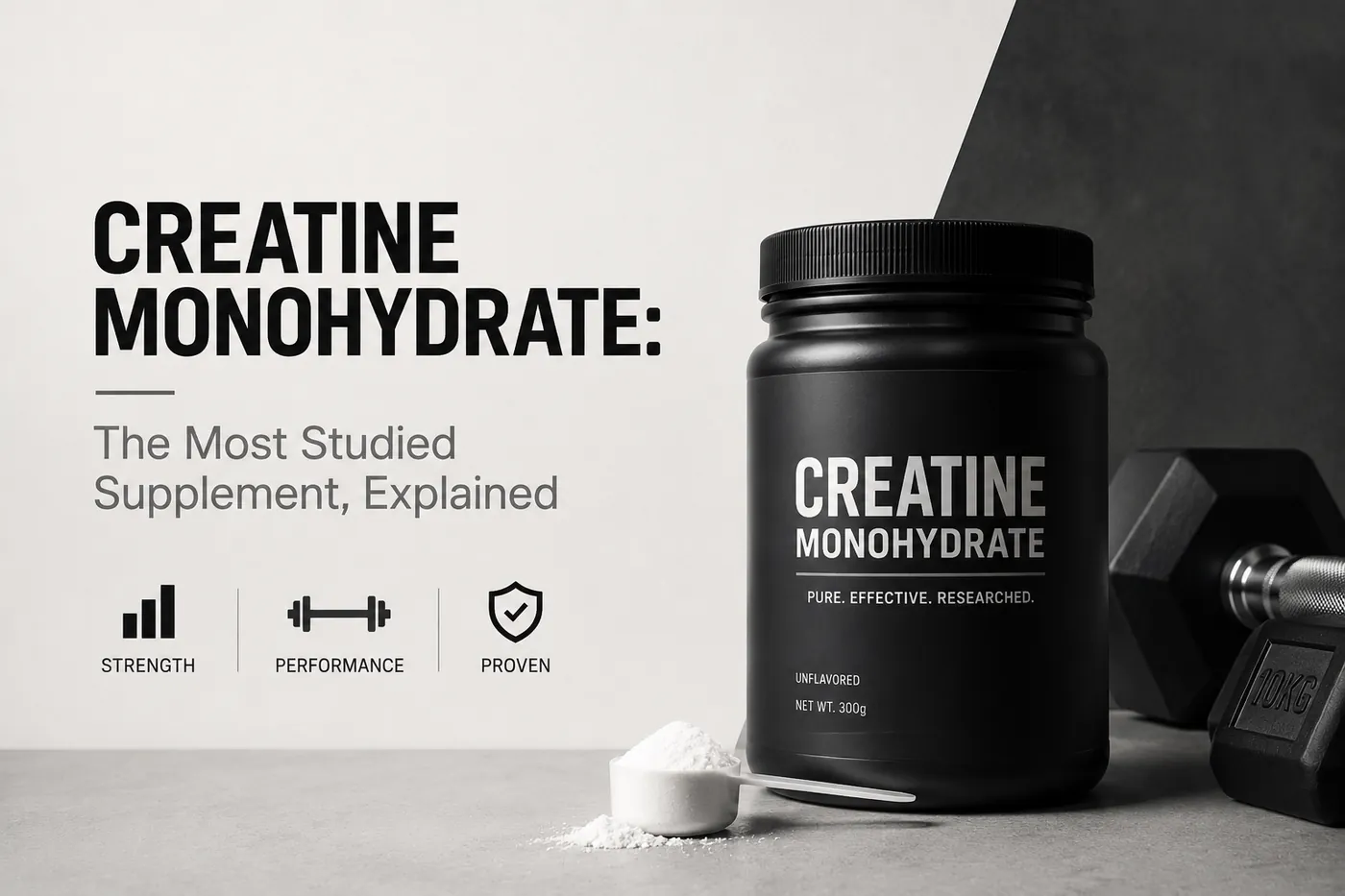
Creatine Monohydrate (3–5g)
If a pre-workout includes a full 3–5g dose of creatine monohydrate, this is a genuine bonus — you are effectively getting your daily creatine covered. Many pre-workouts include partial or nominal creatine doses purely for label marketing; check that the amount is meaningful. Alternatively, take creatine separately to ensure dosing is never contingent on whether you use a pre-workout on a given day.
Betaine Anhydrous (2.5g)
Betaine, found naturally in beetroot and quinoa, has accumulated a reasonable evidence base supporting modest improvements in strength and power output. It appears to work through multiple mechanisms including osmotic cell protection and homocysteine metabolism. At 2.5g it represents a worthwhile addition to a well-formulated pre-workout.
Ingredients That Are Mostly Marketing
- Arginine (any dose): Despite arginine being the direct precursor to nitric oxide, oral arginine supplementation is poorly absorbed and has consistently failed to outperform placebo in performance studies. L-Citrulline is a far superior route to elevated arginine and NO production.
- Taurine: Taurine has a mild osmotic cell-protecting effect and may marginally reduce exercise-induced muscle damage, but evidence for a meaningful acute performance benefit is thin.
- Vitamins and minerals in a pre-workout: Micronutrients at the doses typically included in pre-workout formulas have no acute performance effect. They are present for label decoration.
- Vague "focus blends": Many pre-workouts include proprietary focus matrices of various nootropic compounds (tyrosine, alpha-GPC, huperzine A) at unspecified doses. Some of these compounds have research support at specific doses — but when hidden in a blend you cannot assess whether they are included at effective amounts.
Reading a Pre-Workout Label
The single most important label skill: identify whether the product uses a proprietary blend. A proprietary blend lists ingredients as a group under a single combined weight — for example "Performance Matrix (Citrulline, Beta-Alanine, Betaine) 4g." You cannot tell from this how much of any individual ingredient is included. Assume underdosing and move on.
A fully transparent label shows individual ingredient amounts for every active compound. This is the standard to hold pre-workout purchases to. If a brand will not tell you how much citrulline is in their product, they know it is not enough to work.
Halal Pre-Workouts in the UAE
Halal certification in pre-workout supplements matters for several reasons beyond just ingredient sourcing. Some pre-workout formulas historically contained ingredients derived from porcine gelatin capsules, alcohol-based flavouring compounds, or synthetic compounds that may not be permissible. When buying pre-workouts in the UAE:
- Look for a recognised halal certification mark (MUI, JAKIM, or a UAE-recognised certifying body) on the packaging
- Powder-format pre-workouts are generally less likely to contain non-halal additives than capsule forms, but certification is the only guarantee
- Be aware that some popular US and European pre-workout brands are not halal certified — this does not necessarily mean they contain non-halal ingredients, but it does mean there has been no independent verification
- Ask JNK Nutrition's team directly — we can advise on halal certification status for products in our range
Pre-Workout Safety in UAE Heat
High-stimulant pre-workouts and extreme ambient heat are a combination that warrants attention. Caffeine and other sympathomimetics increase heart rate, blood pressure, and core temperature during exercise. In an environment already demanding significant cardiovascular and thermoregulatory effort — an outdoor workout in July in the UAE, for example — this additional load increases the risk of heat stress.
Practical precautions for UAE athletes:
- Consider timing high-stimulant pre-workouts for indoor or evening sessions rather than outdoor midday training
- Start with the lower end of the recommended caffeine dose range in summer
- Increase fluid intake — pre-workout caffeine adds to daily diuretic load
- Be aware of cumulative stimulant intake from other sources (coffee, energy drinks, fat burners) throughout the day
- If you experience unusual rapid heart rate, overheating, or dizziness, stop training and rehydrate immediately
A good pre-workout — one with fully disclosed, effectively dosed, research-backed ingredients — can genuinely improve training quality. But the training itself, the consistency, the sleep, and the nutrition always matter more. Use a pre-workout to sharpen a session that is already structured, not to compensate for insufficient preparation.
Browse the pre-workout range at JNK Nutrition — all products list full ingredient transparency on their pages.
Frequently Asked Questions
What is the most effective pre-workout ingredient?+
Caffeine has the strongest and most consistent evidence base for acute performance improvement across strength, power, and endurance metrics. L-Citrulline and beta-alanine follow closely. A pre-workout containing all three at effective doses — caffeine 150–300mg, citrulline 6–8g, beta-alanine 3.2g — is well-formulated.
Is it safe to take pre-workout in UAE summer heat?+
With precautions, yes. High caffeine doses increase core temperature and heart rate, which amplifies the cardiovascular demand of training in heat. Keep caffeine at the lower end of your tolerance range for outdoor or very warm gym sessions, increase fluid intake, and avoid stacking multiple stimulants on the same day.
What is a proprietary blend and why should I avoid it?+
A proprietary blend groups multiple ingredients under a single combined weight without disclosing how much of each individual ingredient is included. This prevents you from verifying whether effective doses are present. Always choose pre-workouts with fully transparent, individually disclosed ingredient amounts.
Are pre-workouts halal?+
Not automatically. Some pre-workout formulas contain non-halal ingredients or use capsules made from non-halal gelatin. Look for a recognised halal certification mark on the packaging. Powder-format products are generally more straightforward to certify halal than capsule products.
Can I take pre-workout during Ramadan?+
Pre-workout taken during the fasting window would break the fast. Many athletes take it at Suhoor before the fast begins if training early, or at Iftar before an evening session. Be mindful of caffeine timing at Suhoor — high doses late at night can disrupt the sleep needed between Tarawih and Fajr prayers.